
Capability 04
Data Quality and Governance
Monitor data quality, classify sensitive information, and control access so analysis is based on more complete, consistent, and authorized data.
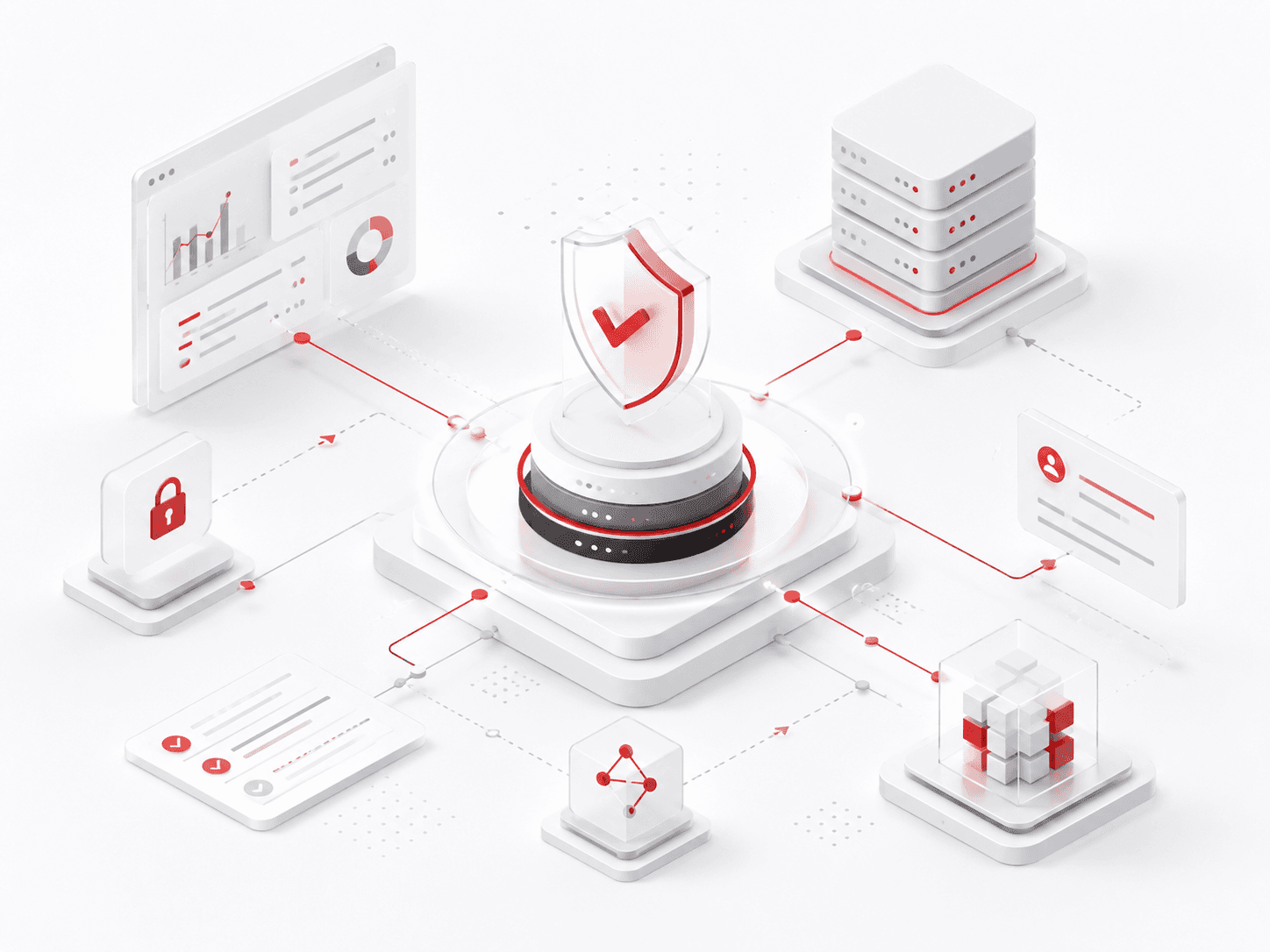
What it enables
More useful context for the decisions in front of your team.
Data completeness
Identify missing or empty values that may weaken analysis.
Data consistency
Check whether formats and values remain aligned across systems and datasets.
Data validity
Verify that data follows approved business and technical rules.
How it supports the workflow
Move from signal to business-ready context.
Data Quality and Governance is designed to support the wider analytical workflow without separating people from the information and definitions they need.
- 01
Profile
Monitor completeness, consistency, and validity before information is used for analysis.
- 02
Classify
Categorize information according to its sensitivity and required protection.
- 03
Control access
Limit data access according to approved organizational roles and responsibilities.
Designed for
Decision environments where context matters.
Daviz can be shaped around the reporting, operational, and leadership conversations that are most important to your organization.
Trusted dashboards
Improve trust before data reaches the dashboard by monitoring quality upstream.
Sensitive-data protection
Classify sensitive information and manage its protection consistently.
Governed access
Apply role-based access so people see the data appropriate to their responsibilities.
Questions
Common questions about Data Quality and Governance.
Direct answers to the questions teams ask when evaluating this capability.
What does data quality monitoring check?+
It monitors completeness (missing or empty values), consistency (aligned formats and values across systems), and validity (data following approved business and technical rules) before information is used for analysis.
What is sensitive-data classification?+
It categorizes information according to its sensitivity and required protection, so access policies can be applied consistently to the data that needs them.
How does role-based access control work?+
Data access is limited according to approved organizational roles, groups, and data classifications, so people see the data appropriate to their responsibilities.